Bush Tasked Agency To Build a Robust System, Despite Its Limited History
In a bucolic field two miles north of Mount Vernon, beside a baseball diamond in Fort Hunt Park, Va., about 20 veterans of a secret World War II intelligence unit gathered together last year for the first time since 1946. The National Park Service was holding a ceremony to commemorate their service. The men, mostly in their eighties, had never before told their stories. During the war, Fort Hunt was a secret interrogation center, where some 4,000 German and Italian military officers, high-ranking government officials and scientists were debriefed. A few years ago, Park Rangers responsible for the area learned of Fort Hunt’s critical intelligence role in recently declassified documents, and they decided to create a memorial and reunite the unit’s veterans. The dedication ceremony was held over two balmy, peaceful days last October.
Col. Steve Kleinman, a U.S. Air Force Reserve interrogator, 50, who had served in Panama and both Iraq wars, was one of the speakers that fall day. In a conversation earlier this month, Kleinman said he was horrified by America’s turn to what Dick Cheney has called "the dark side" in the war on terrorism: indefinite detention in the name of national security, torture in the name of intelligence collection. And so he fought against it. Kleinman joined an effort, sponsored by the Intelligence Science Board—an interagency intelligence-advisory panel—to get the intelligence community to finally renounce torture. His speech at Fort Hunt was a subtle rebuke of the use of torture, comparing the war on terrorism to an earlier era, when interrogators shunned brutality.
Suddenly, at Fort Hunt that October day, a veteran approached Kleinman. "I never laid a hand on one of my prisoners," the older man said. "That allowed me to do my job and retain my humanity." Kleinman was moved. "I thought, when’s the last time I heard an interrogator concerned about that?" he recalled.
Many interrogators today are, in fact, concerned about that. But the program that developed within the Central Intelligence Agency after 9/11 has left the intelligence community playing a fateful role. Surprising as it may be, the CIA has never really been in the interrogation business. After 9/11, it turned its back on its own limited history of interrogations and never consulted those in the U.S. with solid experience in that difficult art. Even in the seven years since it has built an interrogation capability mostly from scratch, the agency has never applied the best practices in behavioral science to improve its regimen. The result has been to privilege brutality out of ignorance, which, according to many experts and insiders interviewed, means that interrogation practices that produce faulty information are now at the very heart of the U.S. efforts against a mysterious and still-unfamiliar enemy.

www.malaymail.com/news/world/2026/01/11/bomb-attac…
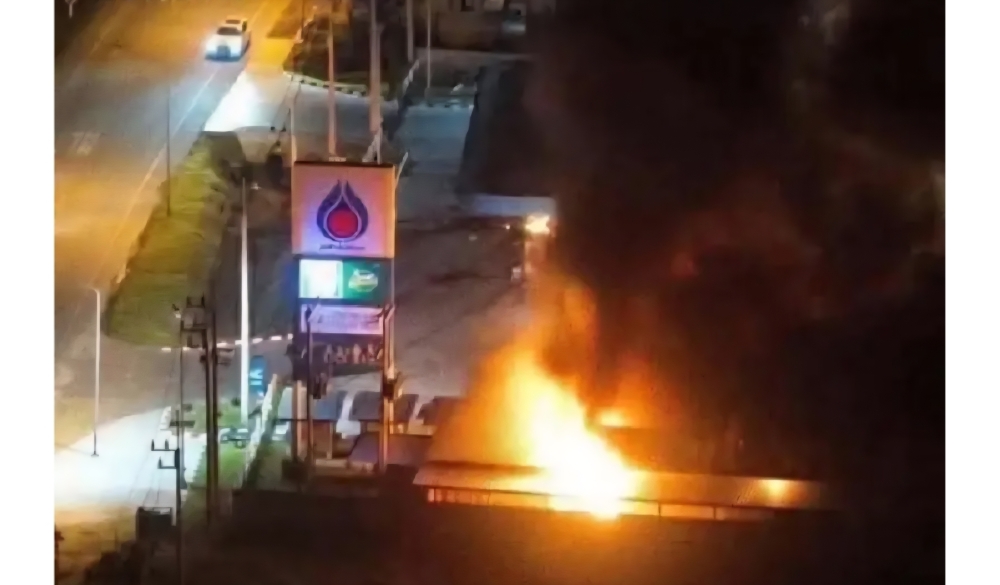
BANGKOK, Jan 11 — A series of late-night bomb attacks targeted 11 PTT petrol stations in Thailand’s southern border provinces of Narathiwat, Pattani and Yala…
www.khaama.com/at-least-eight-refugees-die-37-resc…

At least eight refugees died and 37 were rescued when their boat sank off Badmeli near Izmir, Turkish authorities said on Saturday.
katu.com/news/local/oregon-confirms-first-measles-…

Health officials in Oregon have confirmed the state's first measles cases of 2026, with two people diagnosed in Linn County.
abc11.com/post/measles-north-carolina-state-report…
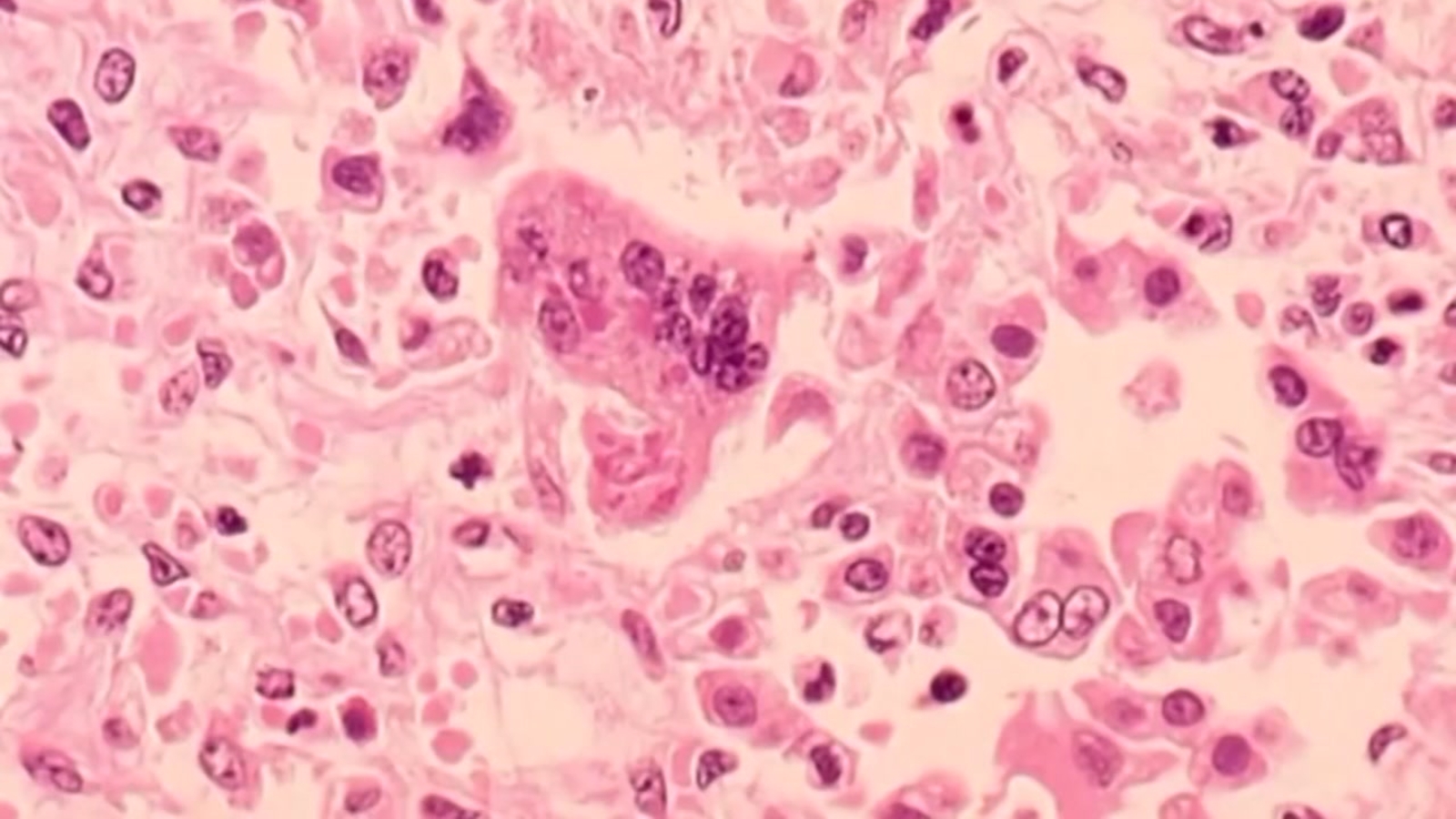
Measles in North Carolina: State reports 5th case linked to South Carolina surge