The dollar fell below $1.50 per euro for the first time since the European currency was introduced in 1999 after U.S. home prices and consumer confidence tumbled, bolstering bets the Federal Reserve will cut interest rates.
The U.S. currency slumped against 15 of the 16 most-active counterparts after Fed Vice Chairman Donald Kohn said turmoil in credit markets and the possibility of slower economic growth pose a ``greater threat'' than inflation.Kohn's comment ``confirmed the Fed will keep cutting interest rates,'' said Adam Boyton, a senior currency strategist in New York at Deutsche Bank AG, the world's biggest currency trader. ``That brought more downward pressure on the dollar.''
The dollar fell to $1.5047 per euro before trading at $1.5017 at 7:47 a.m. in Tokyo from $1.4979 yesterday in late New York. The U.S. currency traded at 107.24 yen, following a 0.7 percent decline yesterday.
Boyton forecasts a dollar drop to $1.55 per euro in the next three months. He's more bearish than the consensus. The dollar will rebound to $1.48 per euro by the end of March and to $1.40 by year-end, according to the median forecast in a Bloomberg News survey of 41 analysts.
The U.S. currency has lost about a quarter of its value in the past five years, according to the Fed's U.S. Trade Weighted Major Currency Dollar index, which comprises seven currencies of U.S. trading partners. The weaker dollar has made U.S. goods cheaper abroad, boosting exports to a record and shrinking the nation's trade deficit last year for the first time since 2001.

www.malaymail.com/news/world/2026/01/11/bomb-attac…

BANGKOK, Jan 11 — A series of late-night bomb attacks targeted 11 PTT petrol stations in Thailand’s southern border provinces of Narathiwat, Pattani and Yala…
www.khaama.com/at-least-eight-refugees-die-37-resc…

At least eight refugees died and 37 were rescued when their boat sank off Badmeli near Izmir, Turkish authorities said on Saturday.
katu.com/news/local/oregon-confirms-first-measles-…

Health officials in Oregon have confirmed the state's first measles cases of 2026, with two people diagnosed in Linn County.
abc11.com/post/measles-north-carolina-state-report…
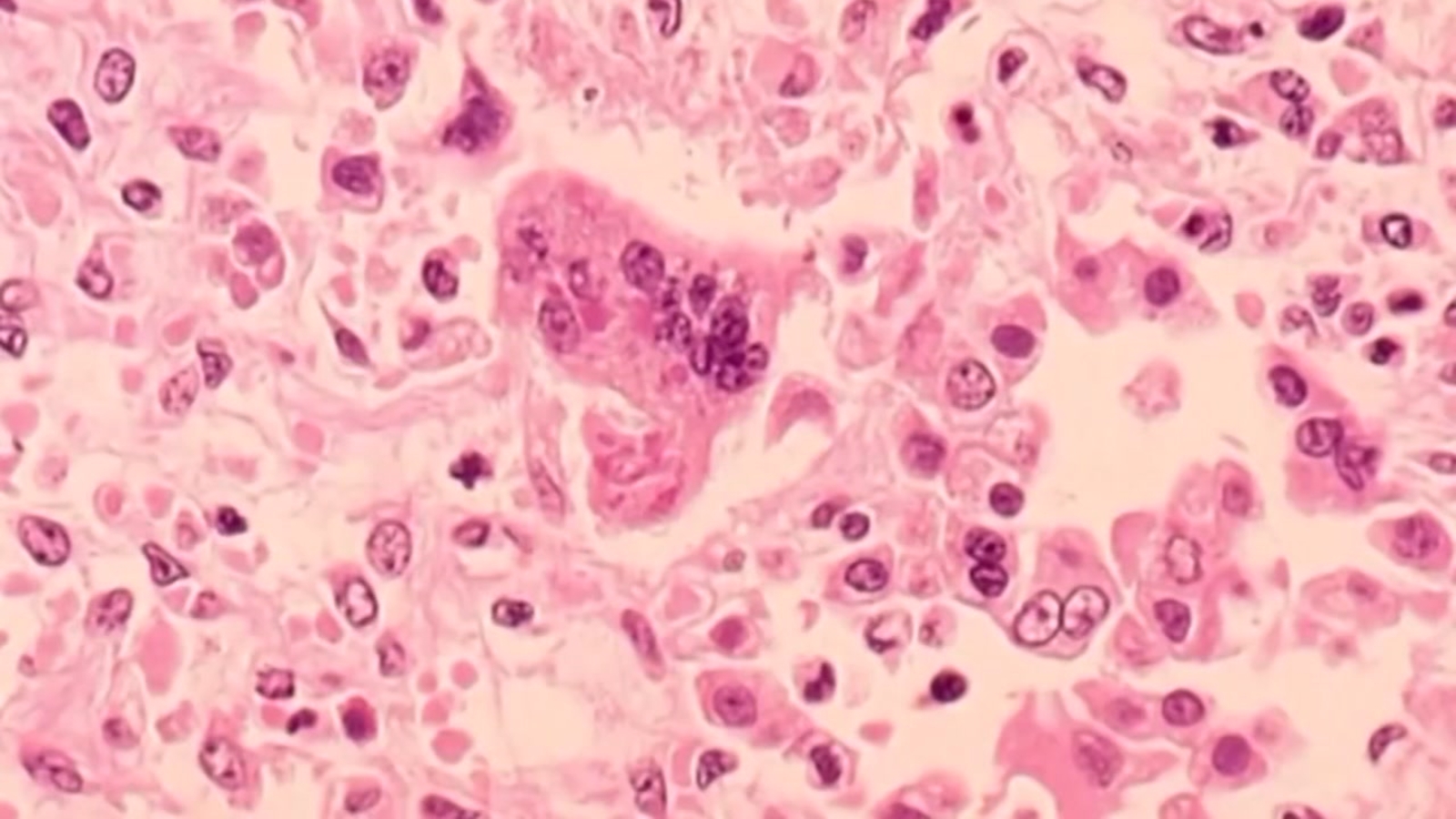
Measles in North Carolina: State reports 5th case linked to South Carolina surge