As the dollar sags and other investments beckon, a shakeout looms.
Business Week
Mar. 5, 2007 -- In a speech in 2004, then Federal Reserve Chairman Alan Greenspan said: "It is difficult to imagine that we can continue indefinitely to borrow savings from abroad at a rate equivalent to 5 percent of U.S. gross domestic product." Well, by the third quarter of 2006, the United States was dependent on foreign lending to the tune of more than $860 billion, or about 6.5 percent of gdp, and the need for foreign money will most likely hang above 6 percent through 2007.
The big question: Can the United States continue to count on this massive amount of foreign capital to fund its overseas obligations and finance its economic growth? The question seemed especially urgent after the Treasury Dept.'s eye-opening report that net inflows of foreign capital into long-term U.S. securities fell to only $15.6 billion in December. It was the skimpiest monthly total in almost five years. Consider that during all of 2006 the United States needed, on average, more than $70 billion a month in foreign funds to finance its current account deficit, made up mainly of the trade deficit, along with net investment income that the U.S. owes to foreigners and certain government transfers.
The greatest potential vulnerability lies with the U.S. dollar and its role as the balancing agent between the financing needs of the United States and the willingness of foreigners to supply those funds. The fear is a sudden plunge in the greenback. The United States will always obtain the foreign financing it needs, but what level of the dollar will it take to attract those funds? U.S. indebtedness is a key reason why the dollar has already declined 27 percent against a basket of major currencies since early 2002.
more

www.malaymail.com/news/world/2026/01/11/bomb-attac…

BANGKOK, Jan 11 — A series of late-night bomb attacks targeted 11 PTT petrol stations in Thailand’s southern border provinces of Narathiwat, Pattani and Yala…
www.khaama.com/at-least-eight-refugees-die-37-resc…

At least eight refugees died and 37 were rescued when their boat sank off Badmeli near Izmir, Turkish authorities said on Saturday.
katu.com/news/local/oregon-confirms-first-measles-…

Health officials in Oregon have confirmed the state's first measles cases of 2026, with two people diagnosed in Linn County.
abc11.com/post/measles-north-carolina-state-report…
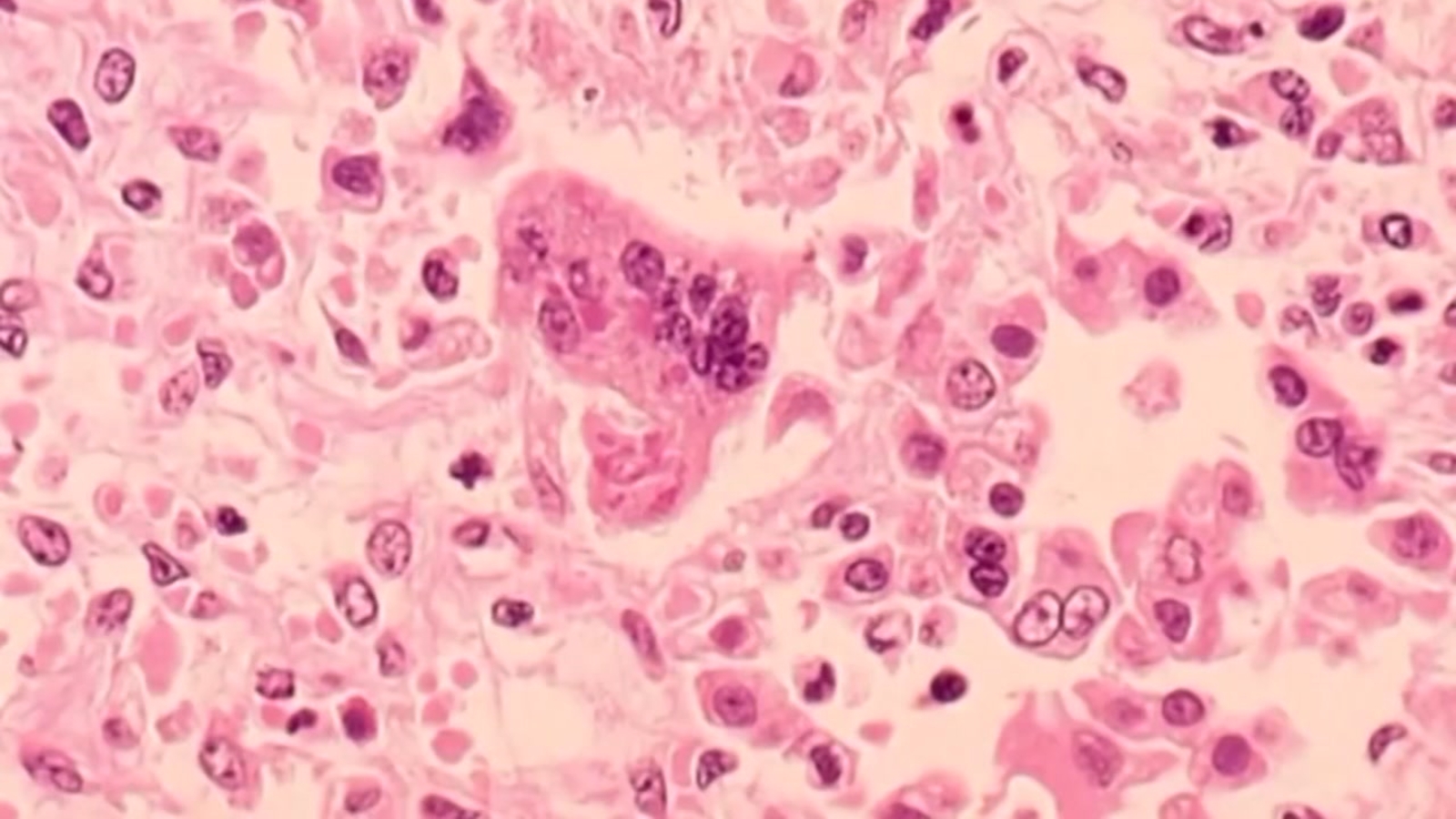
Measles in North Carolina: State reports 5th case linked to South Carolina surge