Iceland Volcano: A New Eruption Is Expected In The Sundhnúkur Crater Row
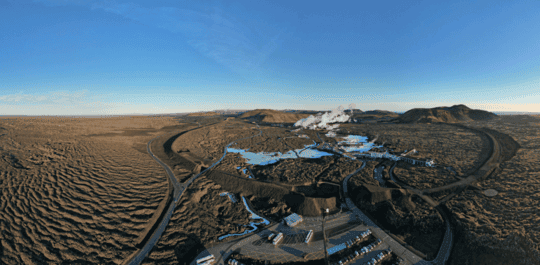 Protective barriers surrounding the Svartsengi area in early November 2024. (Photo: The Icelandic Met Office / Bjarki Kaldalóns Friis)
Updated 11 March at 16:20 UTC
- Magma accumulation continues at a similar rate.
- The volume of magma beneath Svartsengi is at its highest level since the series of eruptions began in December 2023.
- Seismic activity has increased in recent days.
- The most probable outcome is that this period of magma accumulation will culminate in a dike intrusion and eruption.
- An eruption could begin with very little warning.
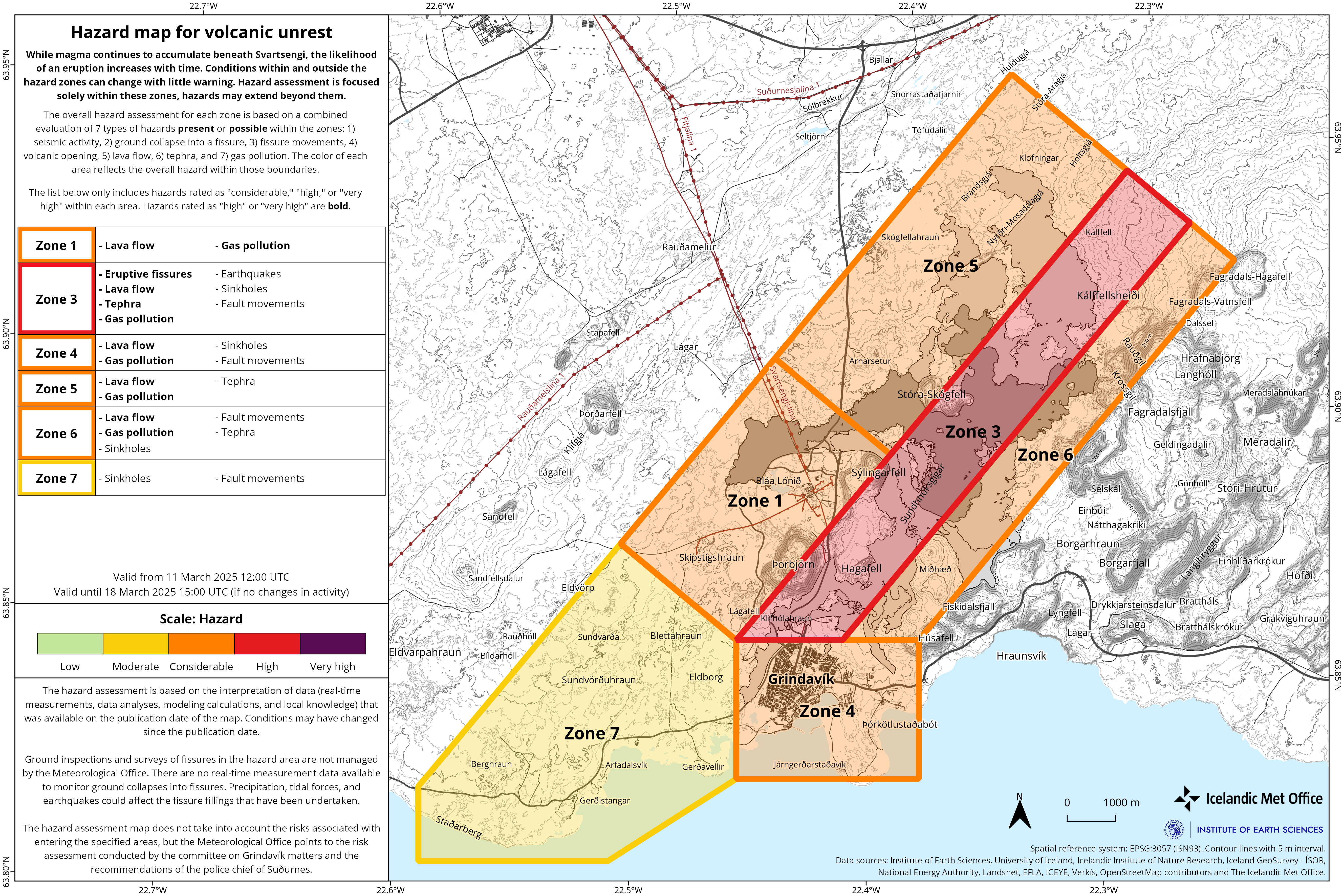
- The hazard assessment remains unchanged and is valid until March 18.
Deformation measurements show that land uplift continues at the same rate as in recent weeks. Magma continues to accumulate beneath Svartsengi, and its volume has reached the highest level recorded since the eruptive series began at the Sundhnúkur crater row in December 2023.
Seismic activity in the Sundhnúkur crater row has been gradually increasing alongside magma accumulation, following a pattern similar to that observed before the November eruption.
Since the last eruption ended, seismic activity has been located slightly further east compared to the activity leading up to the eruption that began on November 20, 2024. The earthquakes east of the Sundhnúkur crater row are likely tectonic earthquakes caused by increased pressure in the region due to magma accumulation. Therefore, these earthquakes are not necessarily an indication of the likely eruption site, although this cannot be ruled out. Further analysis of the seismic data is currently underway and may shed more light on the cause of this shift in the earthquake location.
Considering the increasing seismic activity alongside continued land uplift and magma accumulation, the most likely scenario is that this period of magma accumulation will result in a dike intrusion towards the Sundhnúkur crater row. It is likely that this will result in a volcanic eruption, marking the eighth eruption since the end of 2023.
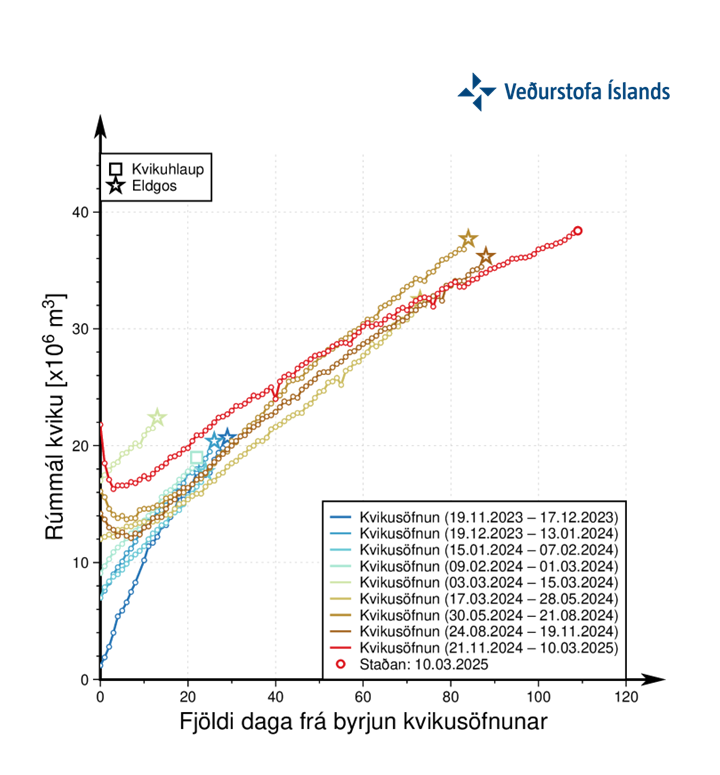
Graph showing the estimated volume of magma that has accumulated beneath Svartsengi between the eruptions and dike intrusions since November 2023
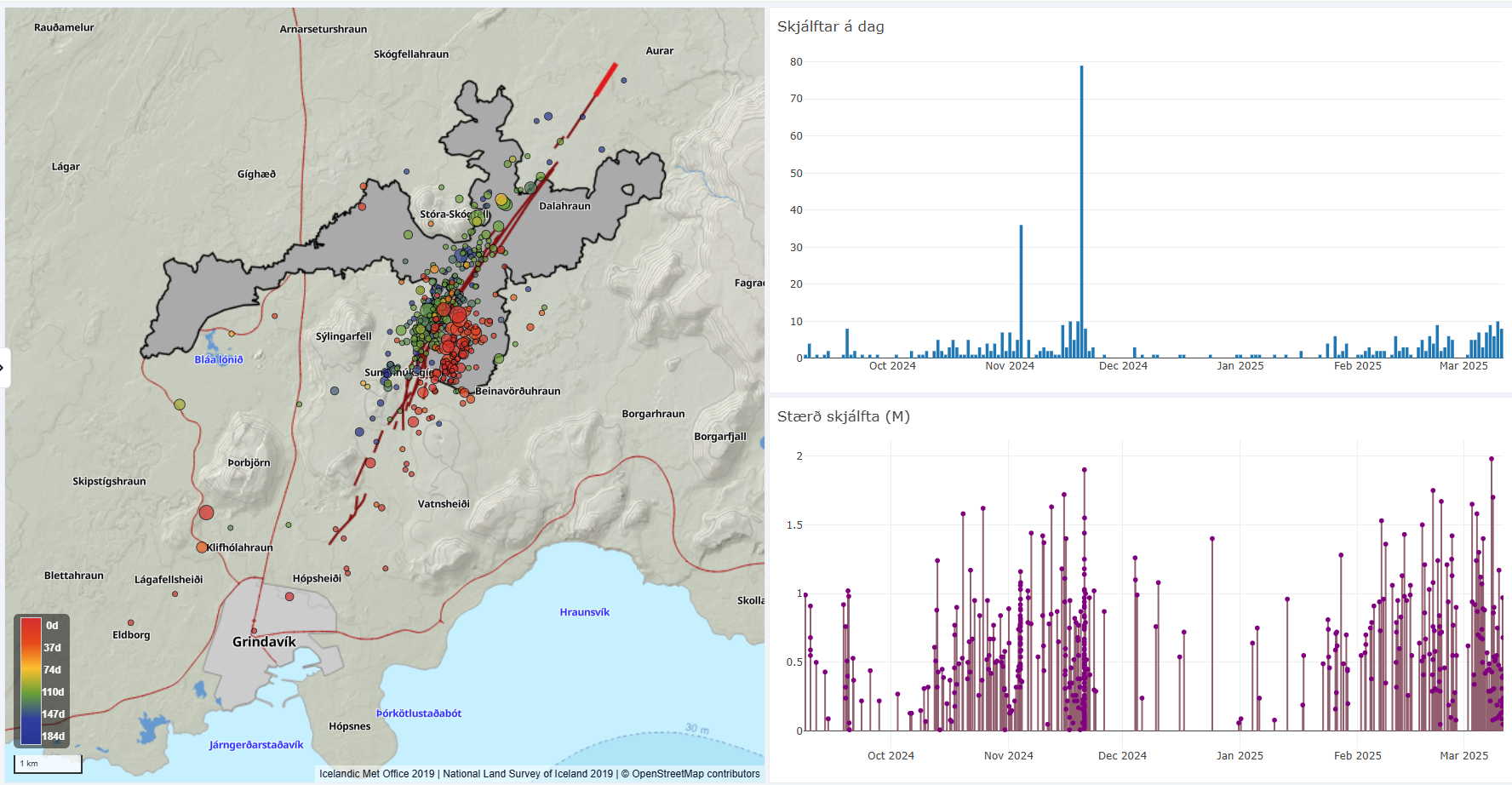
Image displaying seismic activity around the Sundhnúkur crater row from September 8, 2024, to today, March 11, 2025. The data therefore includes seismic activity between the eruption that ended on September 8 and the one that began on November 20, as well as the period from the end of the last eruption to today. Green circles on the map indicate the location of earthquakes before the eruption that began on November 20, 2024, while red circles represent earthquakes in recent weeks. The extent of the lava field created in the last eruption is depicted by the gray overlay, and dark red lines indicate the location of eruptive fissures that opened during the eruptions that occurred in the area since December 2023.
The next eruption could be larger than previous ones
Three months have passed since the most recent eruption concluded, lasting 18 days and ending on December 8. This is the longest period of magma accumulation that has been observed during this eruptive series on the Sundhnúkur crater row, with today marking 111 days since the last eruption began on November 20, 2024.
The volume of magma that has accumulated beneath Svartsengi during this period is the highest estimated since the beginning of this eruptive series in December 2023. Therefore, it is possible that, if an eruption occurs in the coming days or weeks, it could be comparable to or larger than the eruption in August 2024, which was the largest so far in terms of volume. Based on past events, the size of the possible eruption will depend on how much magma is released from the magma chamber when the eruption begins. Currently, it is difficult to predict the size of the next event with certainty.
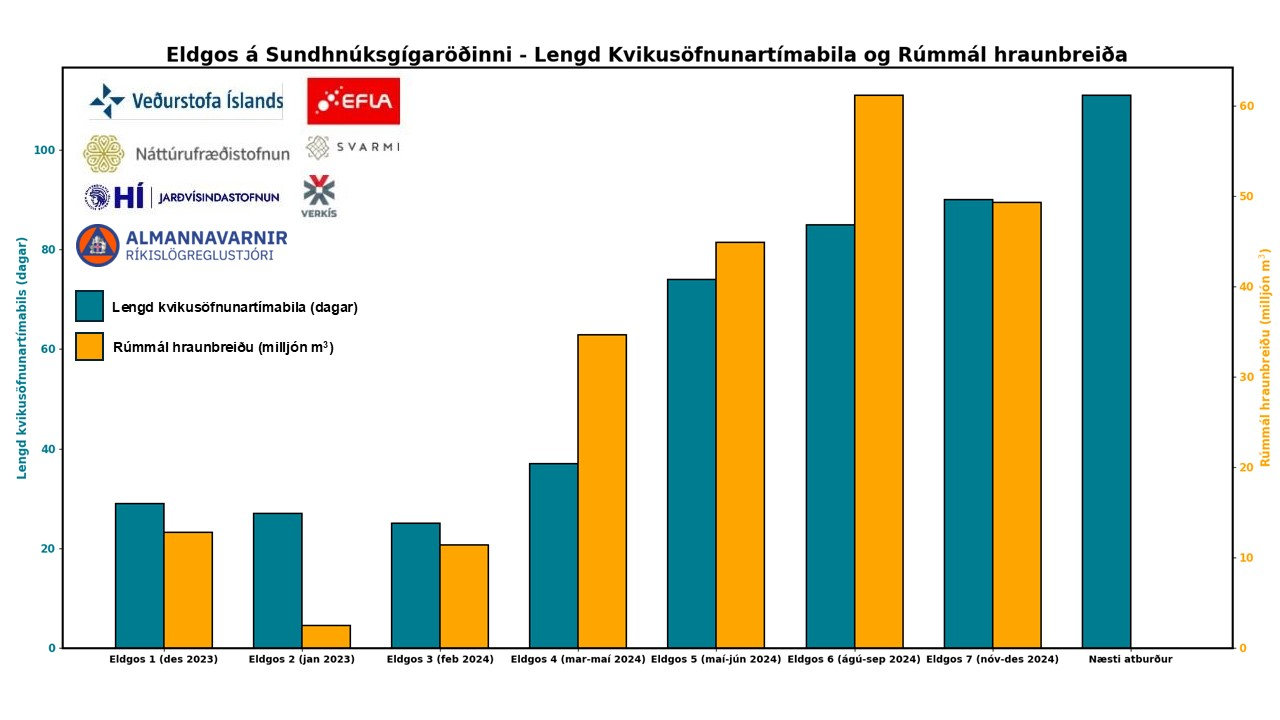
Graph showing the duration of magma accumulation periods (blue bars) leading up to eruptions in the Sundhnúkur crater row since December 2023, and the volume of the lava fields (orange bars) that formed during those eruptions. The blue bars indicate that the time between eruptions has been increasing since March 2024. The volume of the eruptions also increased until August 2024, but before the eruption in November 2024, the volume of magma beneath Svartsengi had not reached its previous levels before an eruption, as it has done today (see figure above). A large portion of the magma that exited the magma chamber beneath Svartsengi in January 2024 went into forming a magma dike, which is why the lava flow formed during that eruption was the smallest.
The hazard assessment remains unchanged and is valid until March 18, unless the situation changes. Use the same link to follow guidelines about what to expect in the next eruption.
- CategoriesEdited | Disasters | All Content | Earthquakes | Volcanos | Government | Science | Europe | Atlantic Ocean | News | News -- WNT Selected | Text | Images
- Date rangeTuesday, March 11, 2025
- Last modifiedFriday, May 09, 2025
