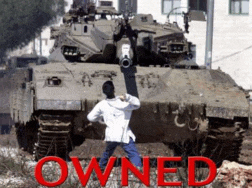
But the very crises now described and decried in both the new media and the old can actually be taken as signs of conservatism’s success, depending on one thing: identifying who really belongs to the ownership society. Conservatism, depending on how you look at it, has successfully built the ownership society — a very small, narrowly defined one — and strengthened it by building or expanding its essential support: the society of the owned.
The term “owned” has its origins in the realms of hacking and gaming, but I’m only partly borrowing the slang definitions — “To dominate another person or thing so completely as to humiliate them” and “To be made a fool of; To make a fool of” — here.
As the grandson of sharecroppers, I grew up hearing stories about how the system of sharecropping worked. Farmers worked all season, buying the goods they needed — food and clothing for their families — from the plantation owner, always on credit and always at high interest. By harvest, they always owed more than their work ended up being worth, often due to the various adjustments of the plantation owner.
The bottom line was, as long as they were in debt they couldn’t leave. And the system all but assured they never got out of debt. Sharecropping was post-slavery, so they weren’t literally owned; just nearly so. They worked hard, but in the end had nothing to show for it; nothing of their own, at least, because they owned almost nothing. Sharecropping itself died with the the advent of farm machinery, but there’s a lot going on in America today that looks an awful lot like it.
An 7-part Article and well worth the effort of clicking eight times:

www.malaymail.com/news/world/2026/01/11/bomb-attac…

BANGKOK, Jan 11 — A series of late-night bomb attacks targeted 11 PTT petrol stations in Thailand’s southern border provinces of Narathiwat, Pattani and Yala…
www.khaama.com/at-least-eight-refugees-die-37-resc…

At least eight refugees died and 37 were rescued when their boat sank off Badmeli near Izmir, Turkish authorities said on Saturday.
katu.com/news/local/oregon-confirms-first-measles-…

Health officials in Oregon have confirmed the state's first measles cases of 2026, with two people diagnosed in Linn County.
abc11.com/post/measles-north-carolina-state-report…
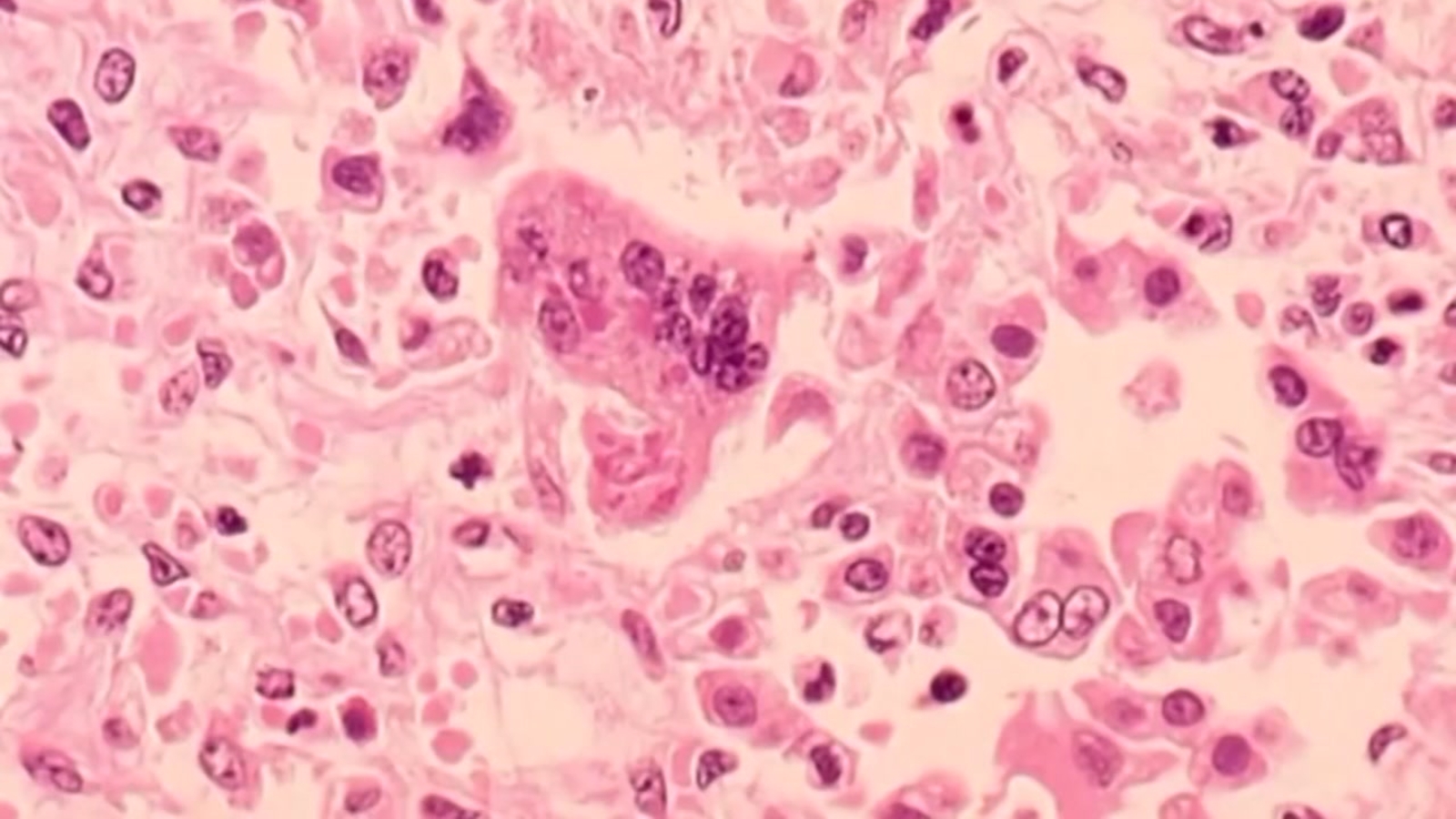
Measles in North Carolina: State reports 5th case linked to South Carolina surge