(Space.com) -- After months of relative quietude, a trio of new sunspot groups appeared this week and they are all growing rapidly.
But there's something strange about these spots.
Sunspots are cool regions of intense, twisted magnetic activity at the solar surface. They act like caps on the upwelling of energy, and when the caps pop, flares of radiation and ejections of charged particles are unleashed. Major solar storms can disrupt communications on Earth and even disable satellites.
The sun goes through an 11-year cycle of activity. The last peak, when sunspots were common and flares frequent, was in 2001 and 2002. The new cycle, Solar Cycle 24, began recently, scientists figure, based on a sunspot with reversed polarity appearing. But pinning down exactly when the shift occurred has proven challenging — it might have been in 2006, sun-watching scientists reported initially, or perhaps 2007, they later said.
Adding to the tangle of understanding, the new sunspots have a magnetic polarity consistent with Solar Cycle 23 rather than the new cycle, proving yet again that much remains to be learned about the temperamental sun.
more

www.malaymail.com/news/world/2026/01/11/bomb-attac…

BANGKOK, Jan 11 — A series of late-night bomb attacks targeted 11 PTT petrol stations in Thailand’s southern border provinces of Narathiwat, Pattani and Yala…
www.khaama.com/at-least-eight-refugees-die-37-resc…

At least eight refugees died and 37 were rescued when their boat sank off Badmeli near Izmir, Turkish authorities said on Saturday.
katu.com/news/local/oregon-confirms-first-measles-…

Health officials in Oregon have confirmed the state's first measles cases of 2026, with two people diagnosed in Linn County.
abc11.com/post/measles-north-carolina-state-report…
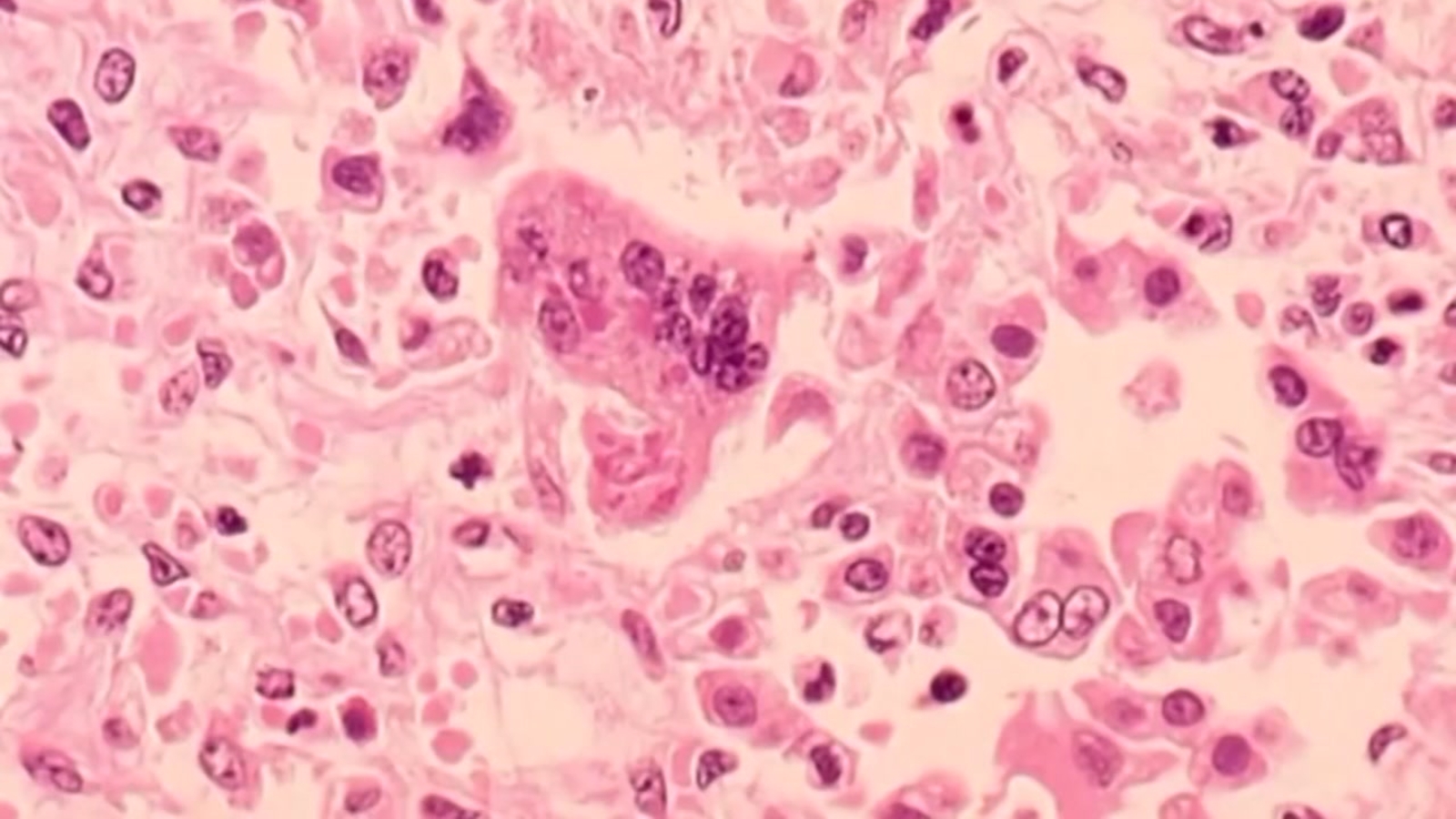
Measles in North Carolina: State reports 5th case linked to South Carolina surge