This is the beginning of a massive market fall after a period of excessive liquidity, bubbles in many assets and markets and underpricing of risk. All sorts of risky assets will be persistently under pressure.
Nouriel Roubini -- RGE Monitor
March 5, 2007 -- Here are "Ten Observations on the Coming Financial and Economic Hard Landing" that summarize my views of the current global financial turmoil and the prospects for the U.S. and global economy. This is a short summary of a presentation that I will make tomorrow at a conference, not the full remarks; so sorry for the terse structure of these remarks. The ten summary points are followed by a more detailed analysis of each one of these points (an analysis available for RGE subscribers).
1. Will the U.S. economy experience a hard landing or a soft landing in 2007? Most likely a hard landing recession or, at best, a growth recession.
2. The housing recession is getting much worse not better. Housing is not bottoming out. Starts and home sales are in free fall and will get much worse before bottoming out in 2008, not in 2007. Home price action will be sharply downward. See new Roubini and Menegatti paper on housing.
3. There is clear contagion from housing to other sectors of the economy: we have now an auto recession, a manufacturing recession, a real investment recession as all four components of investment are now plunging; sharp slowdown of the service sector too; soon contagion to a saving-less consumer who is at its tipping point and on the verge of faltering.
4. Subprime problems (meltdown/carnage) are not limited to subprime sector. They are already a widespread problem for all parts of the mortgage market. Garbage lending practices used for subprime (zero or low down payments, low/no documentation on incomes and assets, interest rate only, option ARMs, teaser rates, negative amortization) were very widespread and common among near prime and prime mortgages (see ARMs, Alt-A, piggyback loans, home equity loans). Effectively measured subprime, near prime and dangerous lending was close to 50 percent of mortgage originations in 2005-2006, not the 13 percent share of subprime in the overall stock of mortgages.
5. There is a serious risk of a generalized credit crunch, first in subprime (where the crunch is already severe), then to all mortgage markets, then to consumer credit and overall credit markets. The market myth and spin of a credit crunch limited to subprime is faltering by the hour.
6. There are already serious signs of contagion to other credit spreads (CDS spreads on major brokers being now near junk, CDX, Itraxx, CMBX, swap spreads all significantly up); and increases in all sorts of measures of market volatility and risk aversion. This contagion will get much worse in the weeks and months ahead.
7. This is not a temporary blip of volatility and turmoil (as in spring 2005 and spring 2006) as this time around there is a true and serious growth hard landing risk in the United States rather than the temporary and unfounded inflation scare of spring 2006. Financial markets are now reacting to seriosly weakened economic fundamentals in the United States and to dependence of global economy on the U.S. business cycle. Thus, this is the beginning of a massive market fall after a period of excessive liquidity, bubbles in many assets and markets and underpricing of risk. All sorts of risky assets will be persistently under pressure.
8. The Fed will move -- sooner rather than later -- to ease. But Fed easing will not prevent a recession in the same way that Fed easing in 2001 did not prevent a recession. With a glut of housing and consumer durables that will take years to work out lower short and long rates will not help.
9. The world will not decouple from a U.S. hard landing; it will experience a sharp slowdown if the United States has a hard landing. Multiple channels of transmission from the United States to the world. It is still the case that when the United States sneezes, the rest of the world gets a cold.
10. The bubble party is over. It will be a bumpy ride from now on for global financial markets and for the U.S. and global economy.
Let me now elaborate with the details of each one of these points in the rest of this blog:

www.malaymail.com/news/world/2026/01/11/bomb-attac…
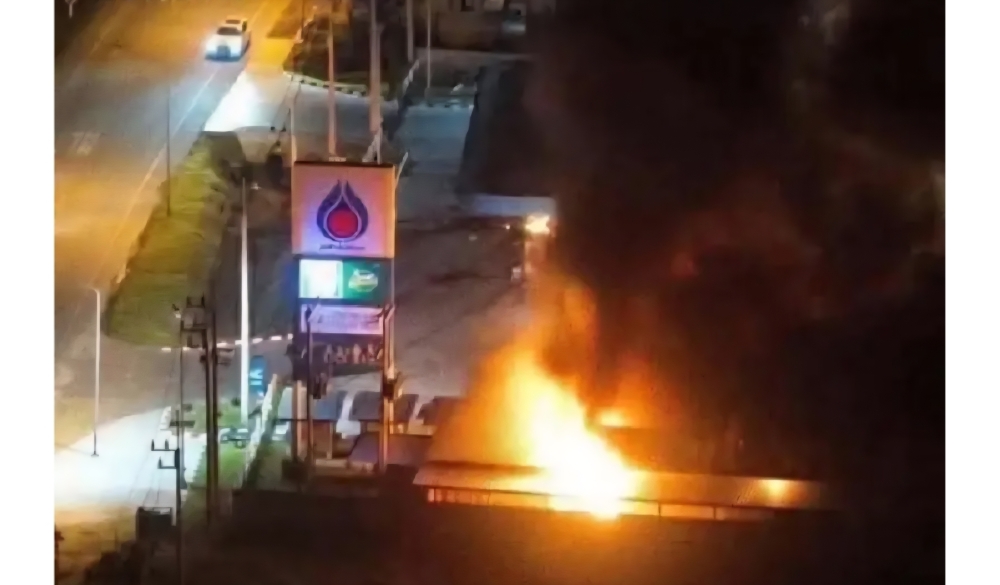
BANGKOK, Jan 11 — A series of late-night bomb attacks targeted 11 PTT petrol stations in Thailand’s southern border provinces of Narathiwat, Pattani and Yala…
www.khaama.com/at-least-eight-refugees-die-37-resc…

At least eight refugees died and 37 were rescued when their boat sank off Badmeli near Izmir, Turkish authorities said on Saturday.
katu.com/news/local/oregon-confirms-first-measles-…

Health officials in Oregon have confirmed the state's first measles cases of 2026, with two people diagnosed in Linn County.
abc11.com/post/measles-north-carolina-state-report…
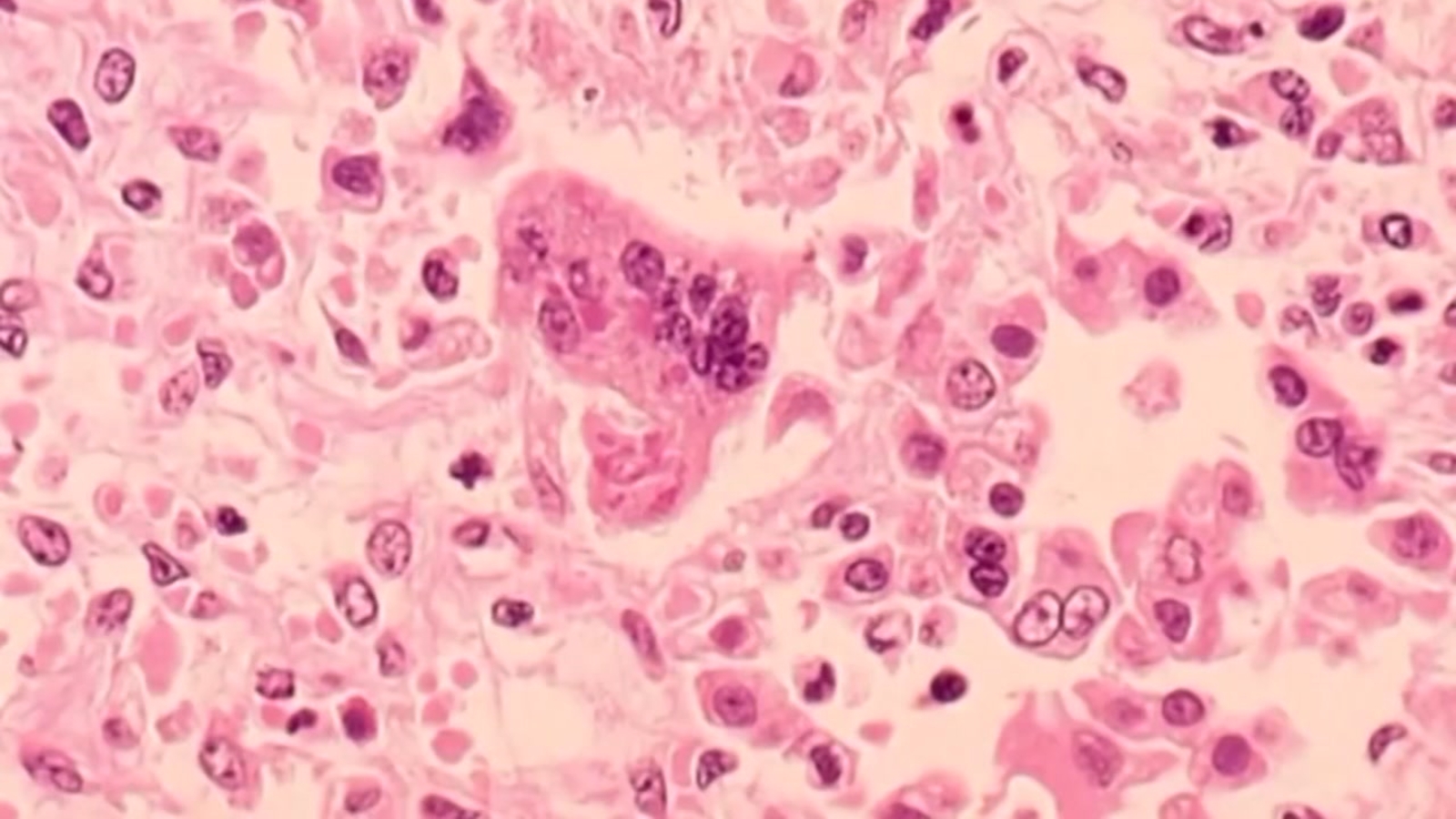
Measles in North Carolina: State reports 5th case linked to South Carolina surge