The Clintons’ trouble with truth, however, is not just the petty political lying nor is it their quibbling over what “is is” or what “mistake” means. It’s that they have never shown any real reverence for the truth. Too often, they see it as something to be traded away for a transitory tactical advantage.
Feb. 24, 2007 -- Hollywood mogul David Geffen touched a raw nerve with Hillary Clinton when he told New York Times columnist Maureen Dowd that “everybody in politics lies, but they [the Clintons] do it with such ease, it’s troubling.”
The Clintons’ trouble with truth, however, is not just the petty political lying nor is it their quibbling over what “is is” or what “mistake” means. It’s that they have never shown any real reverence for the truth. Too often, they see it as something to be traded away for a transitory tactical advantage.
If a future historian is ever to understand what happened to the United States in this era – how the world’s greatest power so disastrously lost its way – that scholar should look back to the first Clinton-Bush transition in 1992-93, when Bill Clinton could have grasped a unique historical moment but didn’t.
Clinton was the first U.S. President to take office after the end of the Cold War. He could have ordered a long-needed historical review of what nine U.S. presidents had done, often behind opaque cloaks of government secrecy.
This review also could have assessed what damage those decades of secrecy, propaganda and deception had done to the core values of the American Republic. By revealing the truth, both the good and the bad, Clinton could have helped restore vibrancy to the democratic process by giving the voters the means to again be an informed electorate.
Yet, even if Clinton didn’t want to spend the political capital that creation of a grand truth commission might have required, he still could have cooperated with three key investigations that were underway at the end of 1992.
Special prosecutor Lawrence Walsh was still battling the cover-up that had surrounded the Iran-Contra scandal of the 1980s; Democratic congressmen were digging into the “Iraqgate” scandal, the covert supplying of dangerous weapons to Iraq’s Saddam Hussein in the 1980s; and a House task force was suddenly inundated with evidence pointing to Republican guilt in the “October Surprise” case, alleged interference by the Reagan-Bush campaign in 1980 to undermine President Jimmy Carter’s efforts to free 52 American hostages then held in Iran.
Combined, those three investigations could have rewritten the history of the 1980s, exposing serious wrongdoing by Republicans who had held the White House for a dozen years. The full story also would likely have terminated the presidential ambitions of the powerful Bush family, since George H.W. Bush was implicated in all three scandals.
After winning in November 1992, however, Bill Clinton and the leaders of the Democratic majorities in Congress didn’t care enough about the truth to fight for it. Heeding advice from influential fixers like Vernon Jordan, Clinton and the congressional Democrats turned their backs on those investigations.
more

www.malaymail.com/news/world/2026/01/11/bomb-attac…

BANGKOK, Jan 11 — A series of late-night bomb attacks targeted 11 PTT petrol stations in Thailand’s southern border provinces of Narathiwat, Pattani and Yala…
www.khaama.com/at-least-eight-refugees-die-37-resc…

At least eight refugees died and 37 were rescued when their boat sank off Badmeli near Izmir, Turkish authorities said on Saturday.
katu.com/news/local/oregon-confirms-first-measles-…

Health officials in Oregon have confirmed the state's first measles cases of 2026, with two people diagnosed in Linn County.
abc11.com/post/measles-north-carolina-state-report…
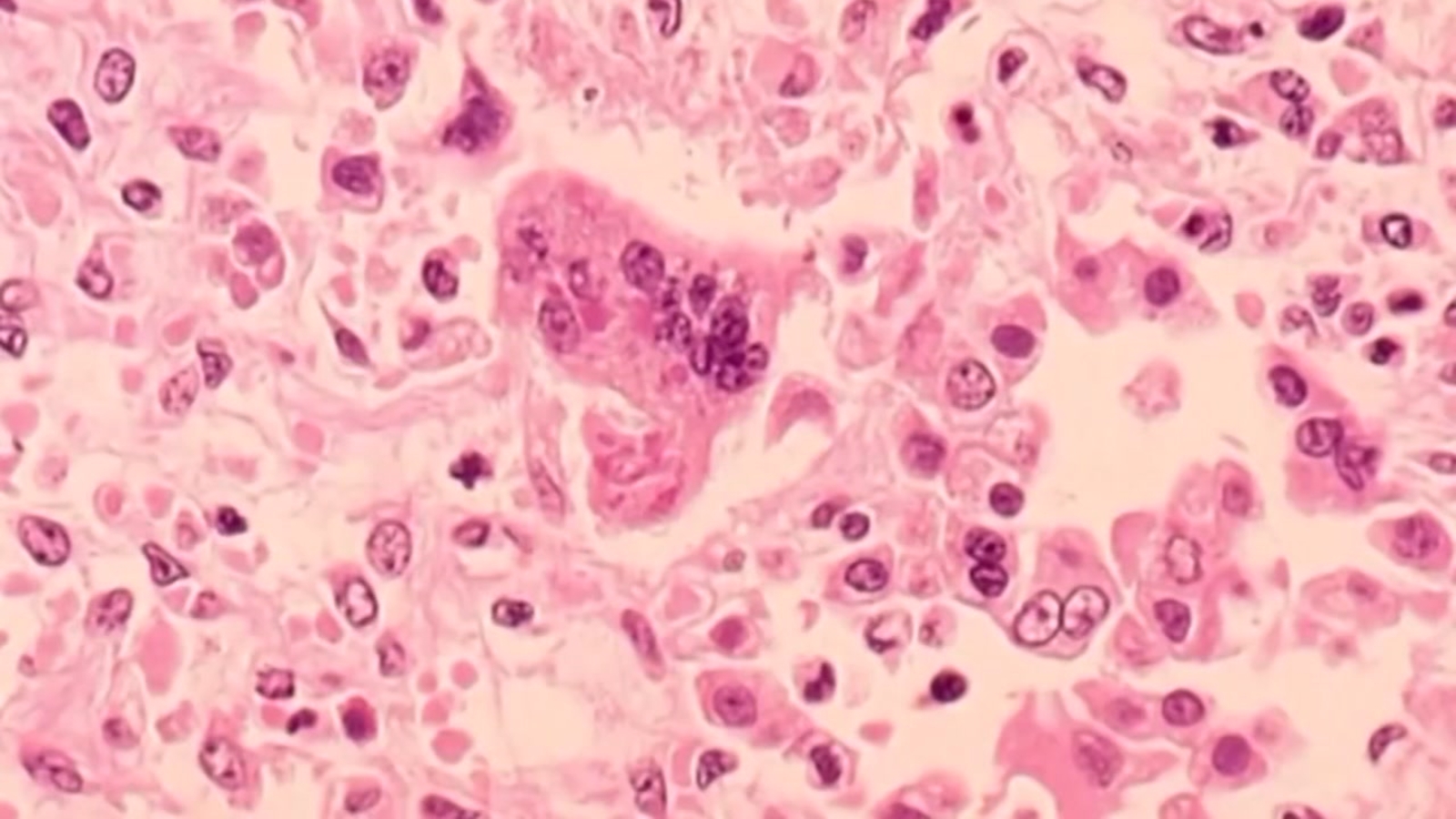
Measles in North Carolina: State reports 5th case linked to South Carolina surge