I don’t in the ordinary course review and recommend law review articles, but I’ve just come across one that is close to indispensable for public affairs junkies. On December 7, 2006—the anniversary of the attack on Pearl Harbor—at least eight U.S. attorneys received phone calls from Michael Battle, the executive director of the Office of U.S. Attorneys at the Justice Department. Each was essentially ordered to submit his or her resignation.
The Administration attempted to sell the event as a routine personnel turn-over. But Congress and the public weren’t buying. After a series of hearings at which senior members of the Administration committed acts of perjury, there was a public uproar. In its wake the entire senior echelon of political appointees at the Justice Department were forced to leave office under a cloud and subject to an investigation into potentially criminal misconduct, as were a number of senior White House figures, most prominently including Bush’s senior political advisor, Karl Rove.
The storm has died down a bit now as the Justice Department completes its own internal investigation of what happened. This has been led by Inspector General Glenn Fine and by the Office of Professional Responsibility. I understand that this investigation is approaching its conclusion now, and that a report is likely in the course of the spring. The report will almost certainly be explosive.
Of George W. Bush’s cohort of U.S. Attorneys, one of the most highly regarded—perhaps even the most highly regarded—was John McKay, who headed the office in Seattle. He was included in the December 7 massacre. McKay has now authored a law review article that examines the history of the scandal, reviews the legal issues that it raises, and provides some observations on the trajectory the matter is likely to take going forward. It’s called “Train Wreck at the Justice Department,” and it was published in volume 31 of Seattle University Law Review. Here are some key elements of the article, which really merits being read in its entirety.

www.malaymail.com/news/world/2026/01/11/bomb-attac…
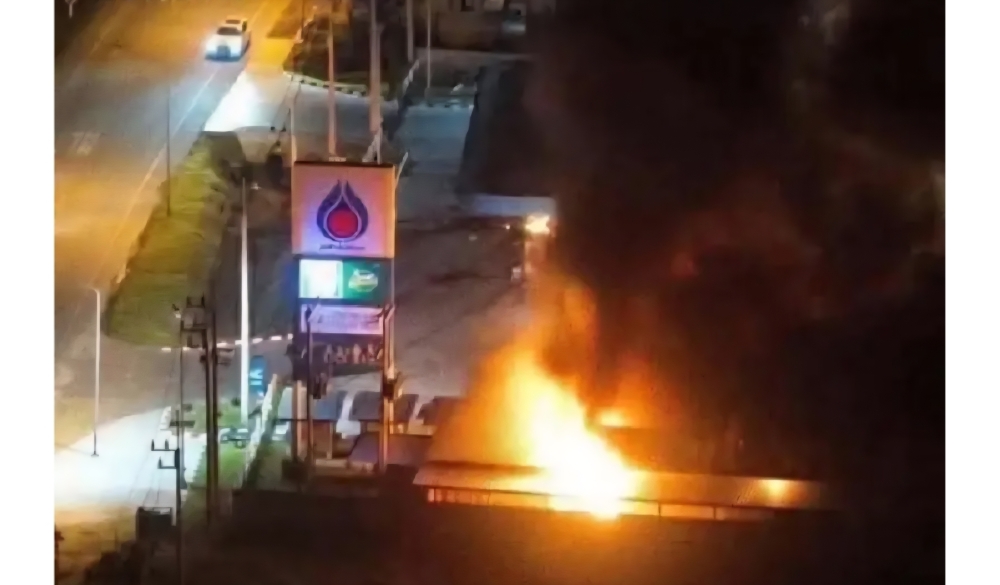
BANGKOK, Jan 11 — A series of late-night bomb attacks targeted 11 PTT petrol stations in Thailand’s southern border provinces of Narathiwat, Pattani and Yala…
www.khaama.com/at-least-eight-refugees-die-37-resc…

At least eight refugees died and 37 were rescued when their boat sank off Badmeli near Izmir, Turkish authorities said on Saturday.
katu.com/news/local/oregon-confirms-first-measles-…

Health officials in Oregon have confirmed the state's first measles cases of 2026, with two people diagnosed in Linn County.
abc11.com/post/measles-north-carolina-state-report…
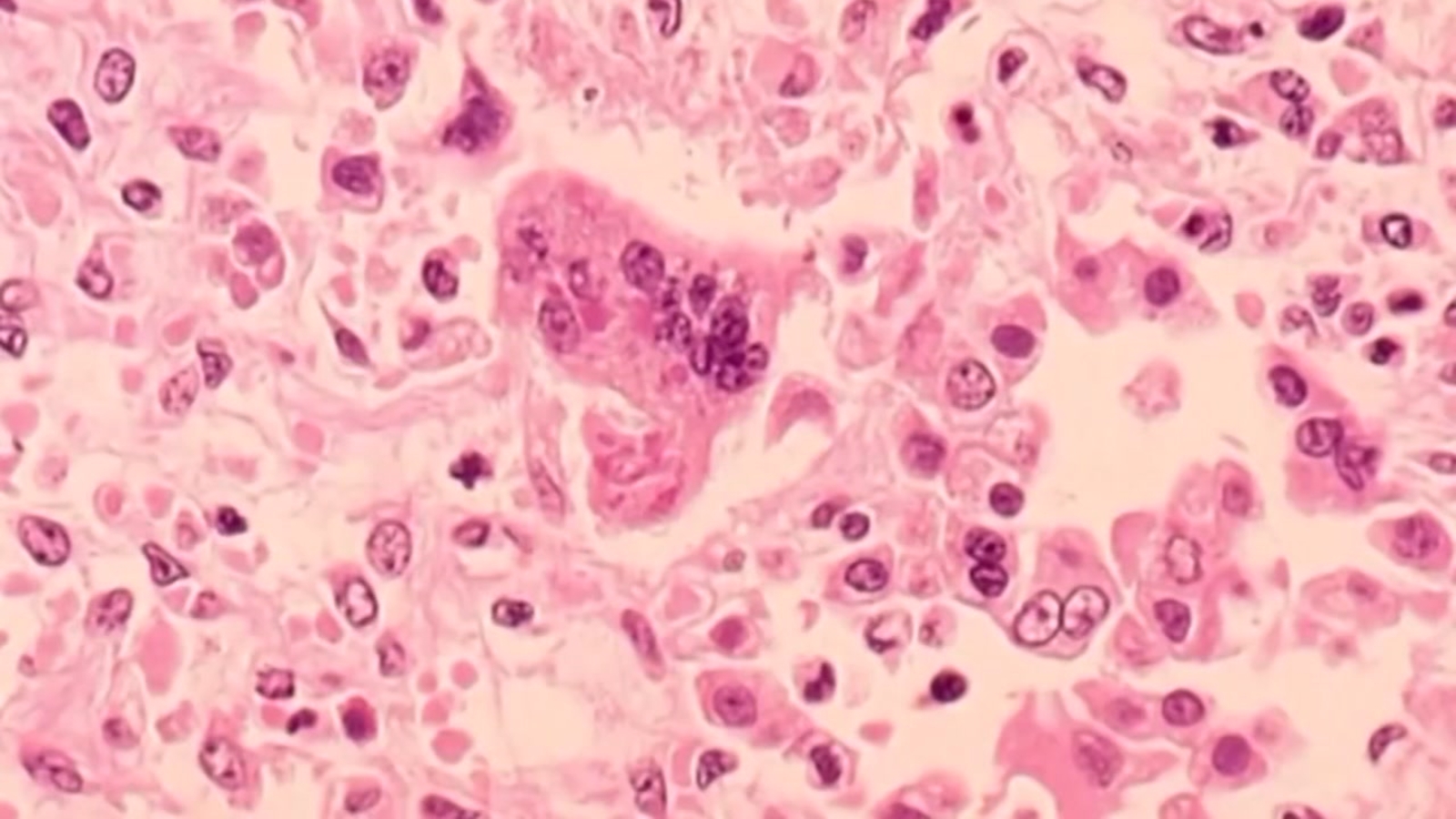
Measles in North Carolina: State reports 5th case linked to South Carolina surge