In its efforts to keep irresponsible bankers on Wall Street afloat, the Federal Reserve is spurring inflation, crippling the dollar and cutting into retirees' incomes. And mortgages and car loans won't get any cheaper.
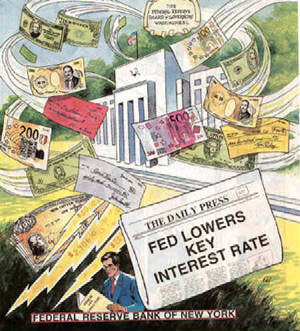
The Federal Reserve today continued its attempt to get out in front of the worst financial crisis to hit the world banking system in five decades by slashing short-term interest rates by three-quarters of a percentage point, to 2.25%, the lowest level since 2004.
But the Fed's effort will have little effect on the ability of the average American to get a cheap loan for a new home, car or college education even as it has a large effect on U.S. banks' ability to fix their balance sheets by racking up fat profits.
If that sounds unfair, welcome to the latest episode of a brutal new American business ethic, in which the government bails out bad bets by risk-taking banking executives in New York with money that it borrows from middle-class families and foreign investors. The effort is gilded with fancy financial language and cloaked in the guise of a rescue that helps all citizens, but the reality is that Washington is essentially robbing the poor to help the rich.
It seems odd, but these are extraordinary times. Normally, when the Federal Reserve cuts the rate at which it lends money to U.S. banks, those banks in turn cut the rates at which they lend money to citizens and companies for personal and commercial use. Simple enough. Yet in the past few months, banks have made three important changes in their usual practice:

www.malaymail.com/news/world/2026/01/11/bomb-attac…

BANGKOK, Jan 11 — A series of late-night bomb attacks targeted 11 PTT petrol stations in Thailand’s southern border provinces of Narathiwat, Pattani and Yala…
www.khaama.com/at-least-eight-refugees-die-37-resc…

At least eight refugees died and 37 were rescued when their boat sank off Badmeli near Izmir, Turkish authorities said on Saturday.
katu.com/news/local/oregon-confirms-first-measles-…

Health officials in Oregon have confirmed the state's first measles cases of 2026, with two people diagnosed in Linn County.
abc11.com/post/measles-north-carolina-state-report…
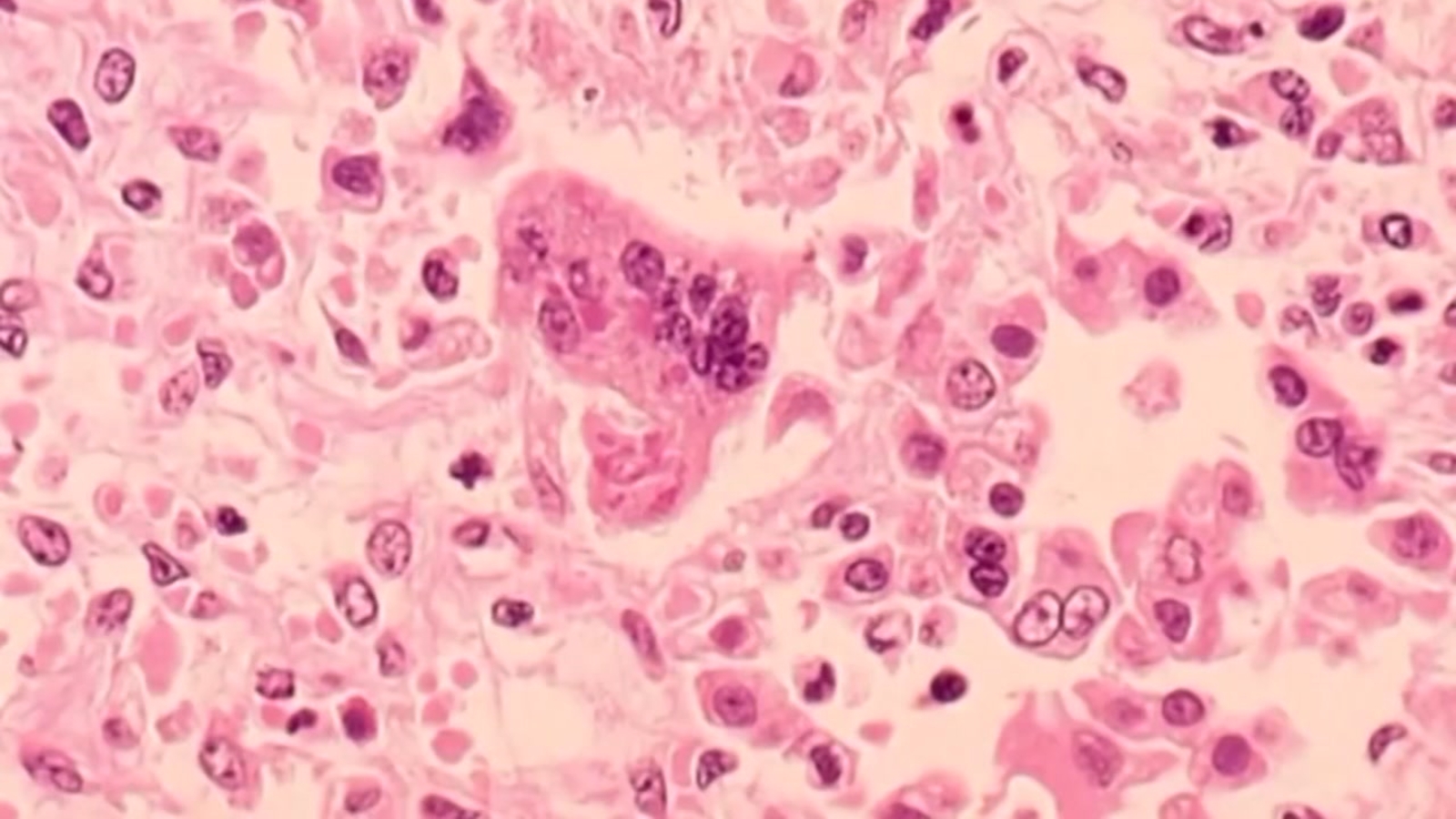
Measles in North Carolina: State reports 5th case linked to South Carolina surge