Expanding DNA's alphabet lets cells produce novel proteins | Lauran Neergaard
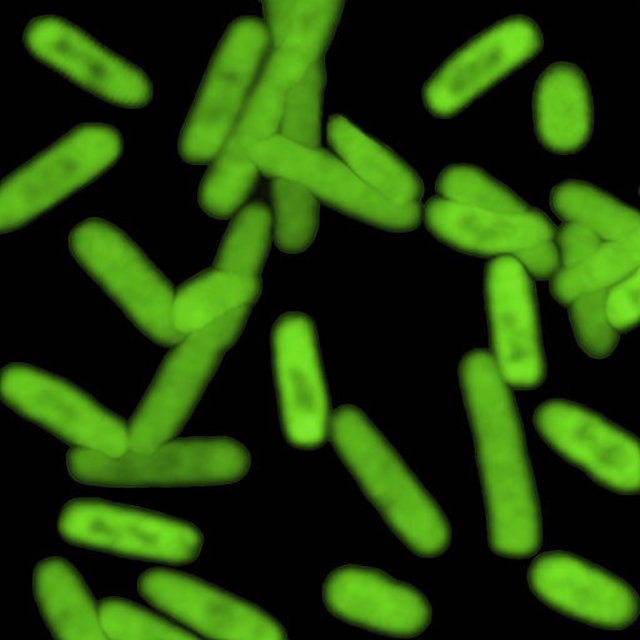 This undated photo provided by The Scripps Research Institute shows a semi-synthetic strain of E. coli bacteria that can churn out novel proteins. Scientists reported on Wednesday, Nov. 29, 2017, that they have expanded the genetic code of life and used man-made DNA to create this strain of bacteria. (Bill Kiosses/The Scripps Research Institute via AP)
Nov. 29, 2017 (AP) -- Scientists are expanding the genetic code of life, using man-made DNA to create a semi-synthetic strain of bacteria -- and new research shows those altered microbes actually worked to produce proteins unlike those found in nature.
It's a step toward designer drug development.
One of the first lessons in high school biology: All life is made up of four DNA building blocks known by the letters A, T, C and G. Paired together, they form DNA's ladder-like rungs. Now there's a new rung on that ladder.
A team at The Scripps Research Institute in La Jolla, California, expanded the genetic alphabet, creating two artificial DNA "letters" called X and Y.
"We can make proteins that are built of more things than they normally are," explained Scripps chemist Floyd Romesberg, who leads the project.
(more)
- Categories
- Date rangeWednesday, November 29, 2017
- Last modifiedThursday, November 30, 2017
